School-Based Peacemaking
Our School-Based Model
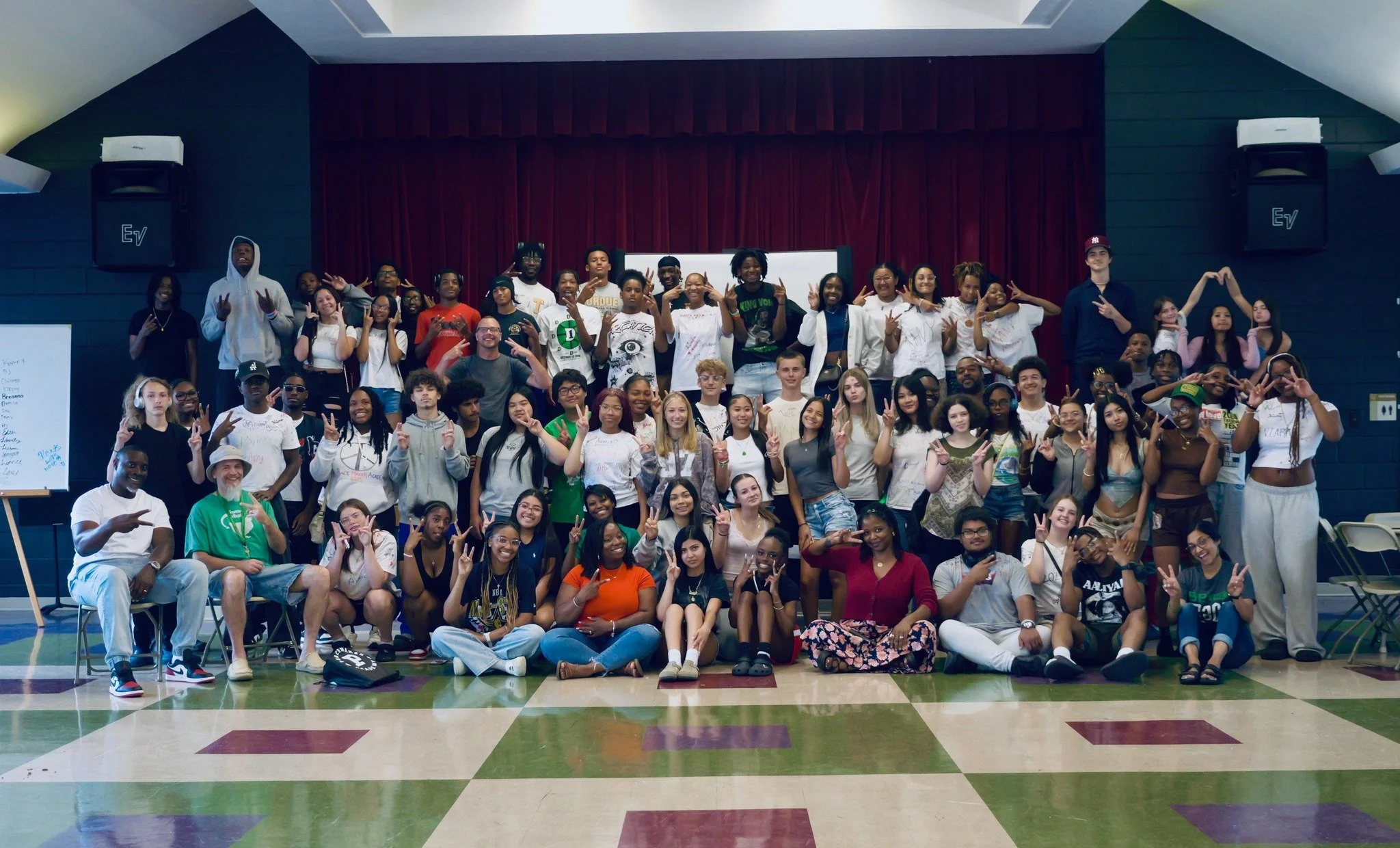
School-Based Peacemaking is not a single program — it is a culture-building model. Implemented across multiple Fort Wayne Community Schools campuses, the model integrates Peacemaker Academy formation, the daily presence of a full-time Peace Advocate, and a dedicated Peace Room hub within the school. Together, these elements equip students to transform conflict and reshape their community from the inside out.
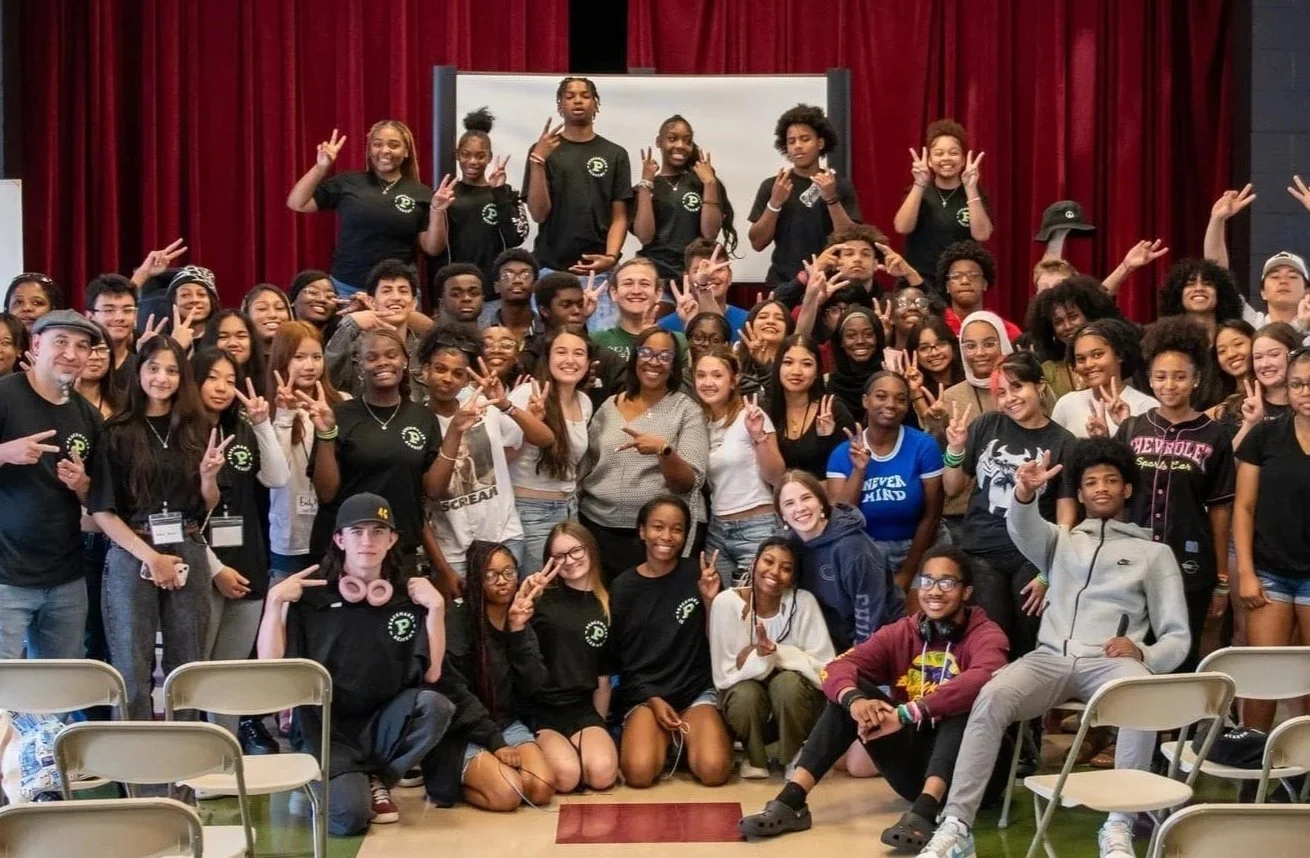
An immersive leadership formation grounded in Kingian Nonviolence. Students receive intensive training and return to their schools equipped to lead with skill, courage, and vision.
Peacemaker Academy
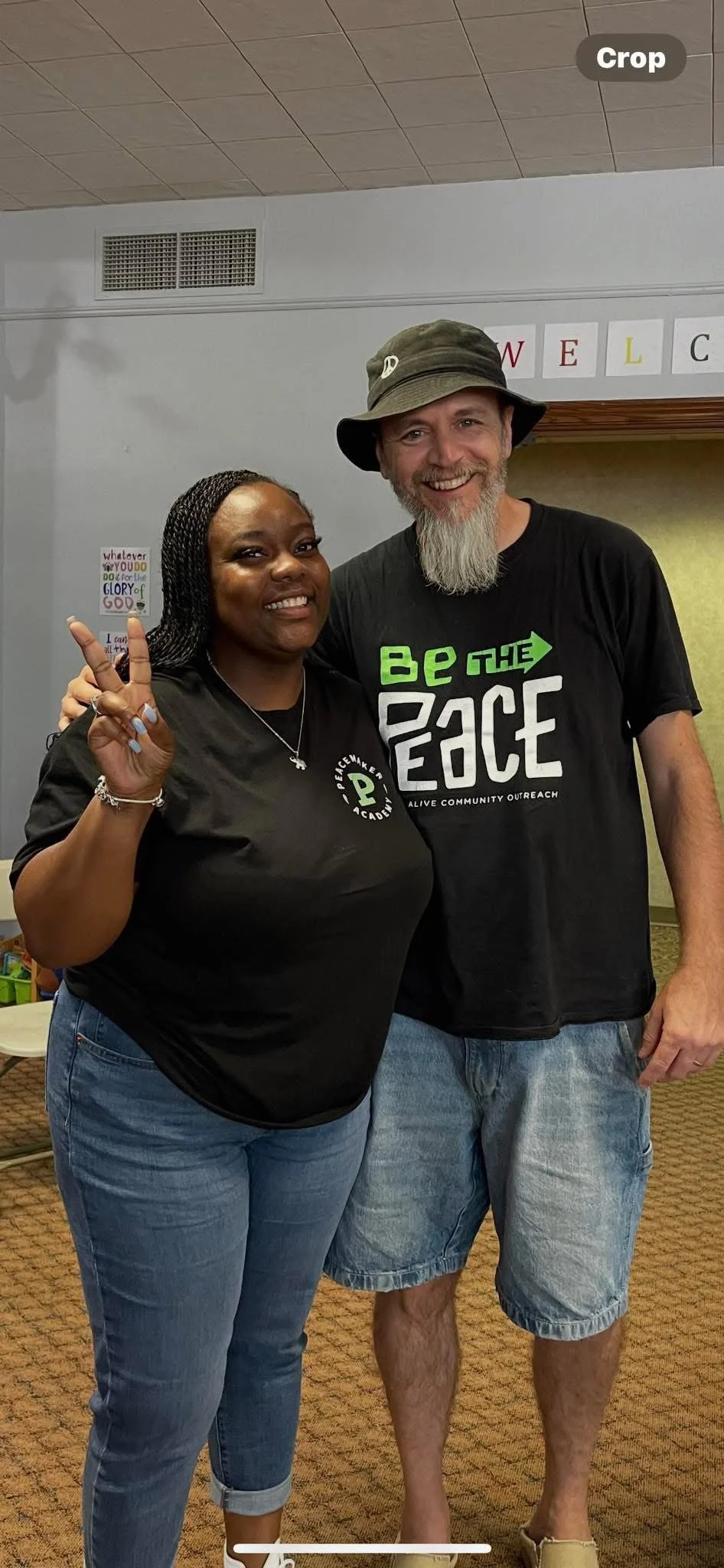
A full-time professional embedded within the school who mentors student Peacemakers, facilitates mediations, leads restorative practices, and partners with staff to cultivate a culture of nonviolence throughout the building.
Peace Advocates
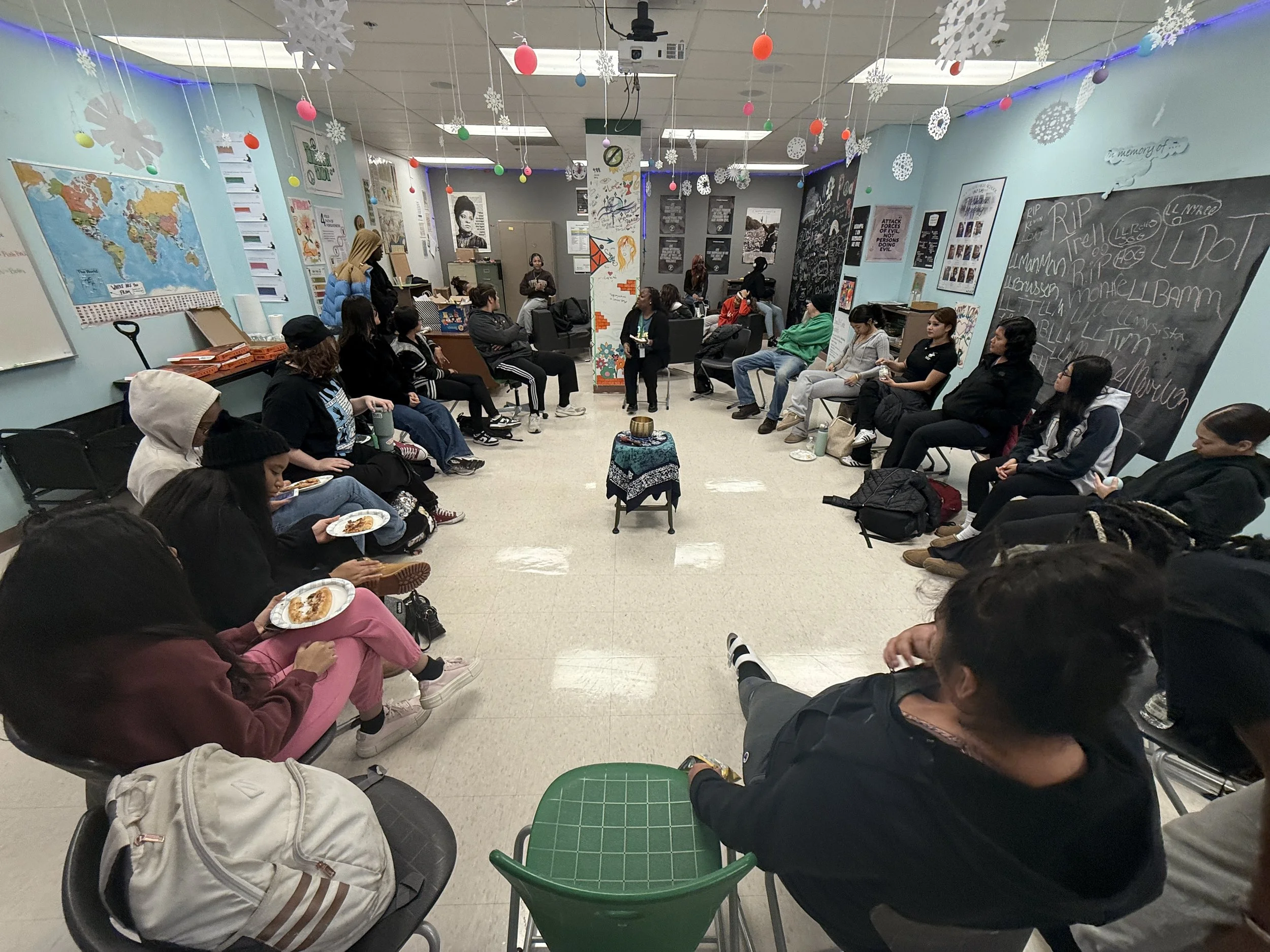
A dedicated space for mediation, restorative circles, Peace Club, and student-led planning in each of our schools. Guided by the Peace Advocate and shaped by students, it’s the physical hub of the peace movement within the school.
Peace Rooms
Impact of the School-Based Peacemaking Model
Our school-based peacemaking work began at South Side High School in 2021 with a trained cohort of student Peacemakers representing multiple grade levels. As the model expanded—adding a full-time Peace Advocate and establishing a dedicated Peace Room—we began to see school-wide culture shifts. The data below tracks fight incidents within the freshman class from that first year, reflecting how the broader school environment changed as the model matured.
Districtwide Impact: Year One to Year Two
After expanding our school-based peacemaking model districtwide in 2024–25, fights across all five FWCS high schools decreased 35% in 2025–26 — representing 139 fewer fights across the district.
While reduced incidents matter, these results reflect more than short-term behavior shifts; they signal the deeper work of culture formation — cultivating student leadership, moral courage, and Beloved Community across our schools.
Join the Peace Family
Peace Family is our intergenerational community of trained volunteers who walk alongside students in schools. Often known as “Peace Grannies and Grampies,” they embody presence, encouragement, and Beloved Community in action.
Bring School-Based Peacemaking to Your Community
Schools and districts across the country are seeking more than behavior management — they are seeking culture change. Through our certification and training pathways, we equip educators, administrators, and community leaders to implement this model within their own context.